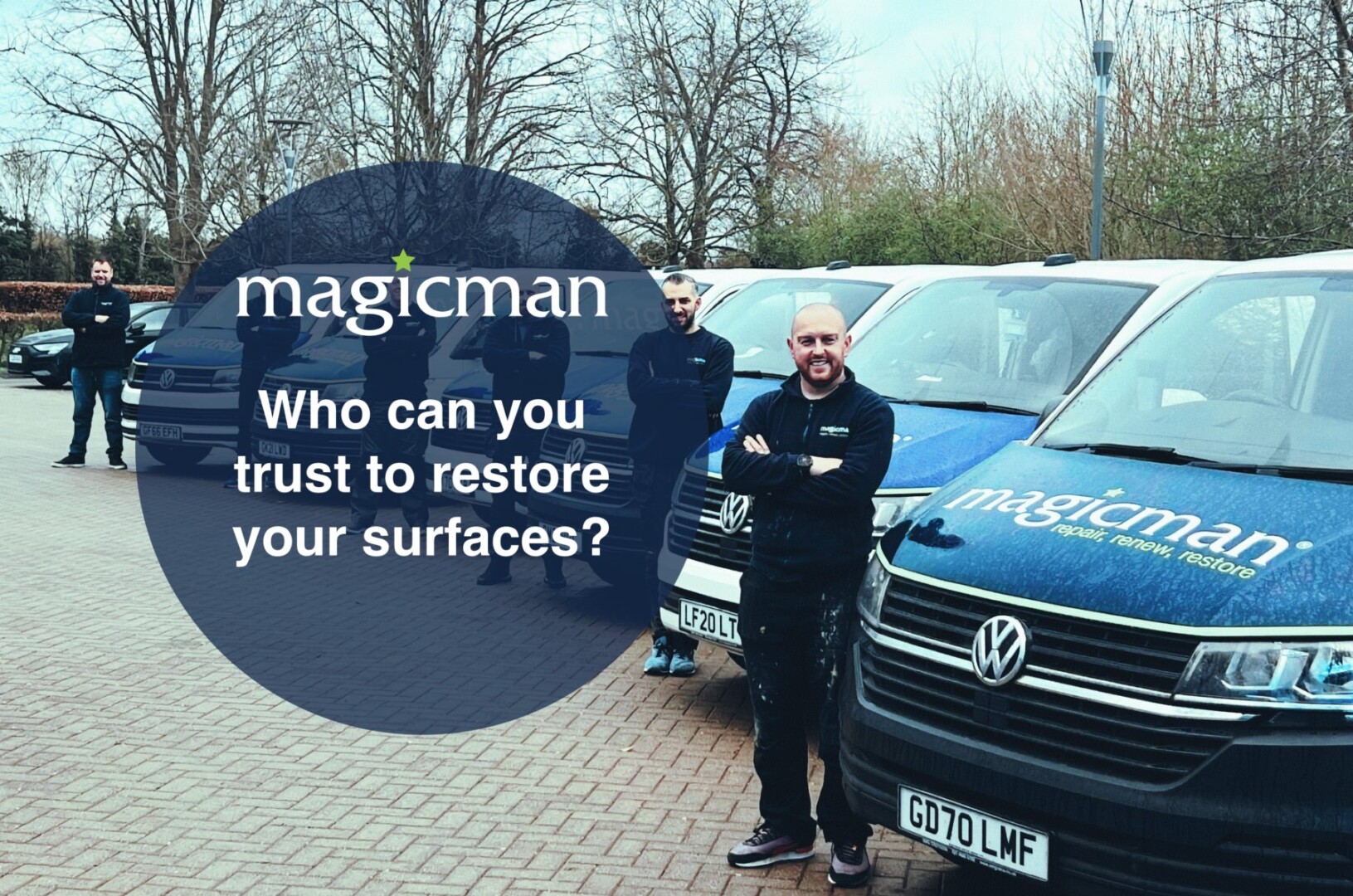
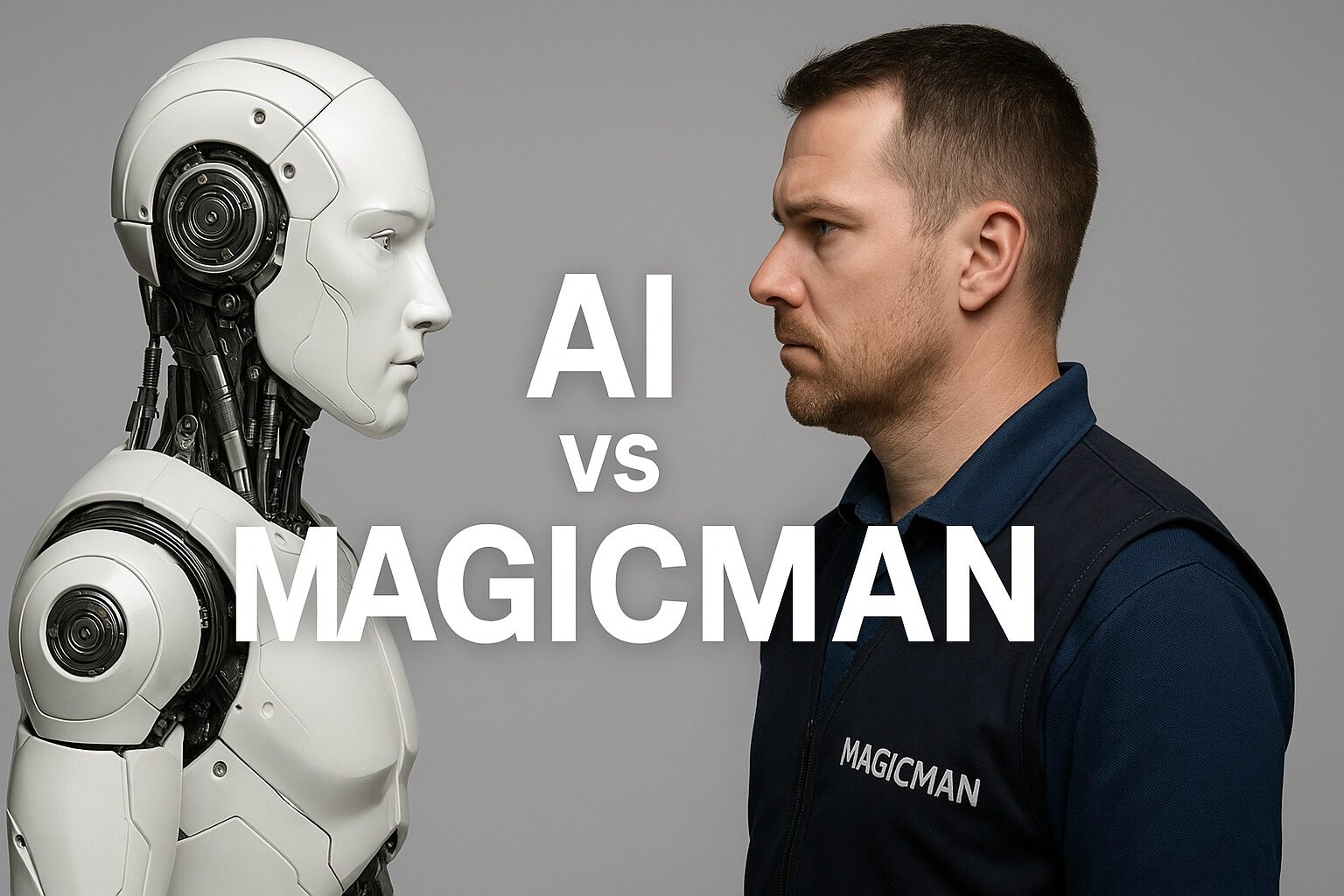
A Magicman technician assesses the environment, communicates with clients, and makes on-the-spot decisions to ensure the best outcome. With its reliance on data models and lack of real-world context, AI can't replicate this level of judgment, teamwork, and flexibility.
The Limitations of AI
AI is powerful, but only in the right places. It excels at repetitive, rule-based tasks and data sorting. But it struggles with complex, unpredictable workflows that require improvisation. A 1% error rate per AI step can result in a 63% failure rate over 100 steps, especially without human oversight.
AI must be monitored constantly. It can’t log into most external systems due to security risks and often makes factual errors, especially when generating content or interacting in real time. Moreover, the servers powering these systems frequently go offline or become inaccessible in emergencies. You can’t rely on it to show up on-site, communicate with a foreman, or solve problems in the moment. A Magicman technician can.
Debunking the Hype
Let’s be clear: Much of the hype around AI is commercially driven. Companies pushing AI tools often exaggerate their capabilities to boost sales. Public AI models are impressive, but they are not autonomous problem-solvers. They require humans to configure, guide, and often correct them.
There’s also the risk of over-dependence. Relying too heavily on AI for day-to-day operations means teams stop exercising their critical thinking. Time can be lost troubleshooting AI errors or setting up complicated flows, when often the task could have been completed more efficiently manually by someone with the necessary skill and focus.
The Environmental Cost of AI
Here’s something rarely discussed: AI is not an environmentally sustainable technology. It relies on massive data centres that consume vast amounts of energy. According to the International Energy Agency, electricity demand from data centres is expected to more than double by 2030, primarily driven by the increasing use of AI models. Until more sustainable AI solutions are available, Magicman will use these tools sparingly, whilst upping our efforts to offset this environmental pressure.
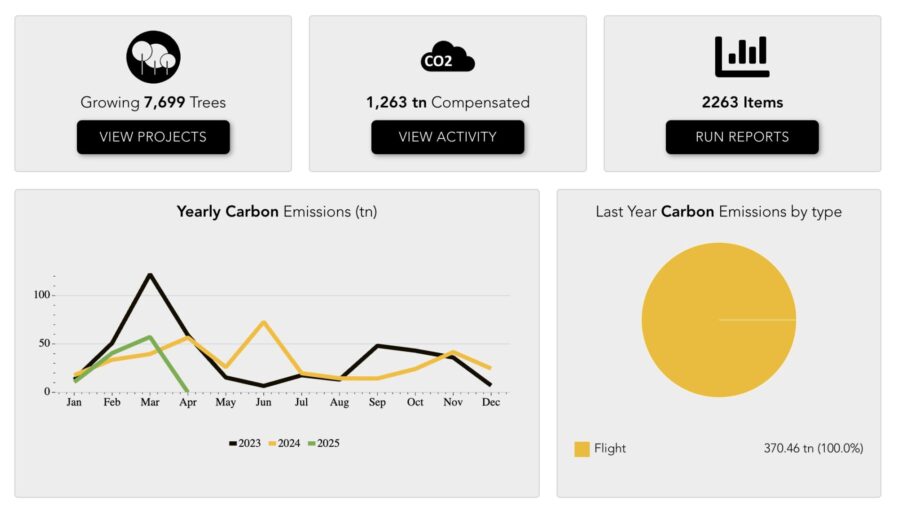
In contrast, Magicman’s repair-first approach is innately sustainable. By restoring damaged surfaces instead of replacing them, we minimise waste, reduce emissions, and extend the life of existing materials. We also partner with Trees 4 Travel, offsetting over 1,263 tonnes of CO₂ by planting more than 7,500 trees worldwide.
Emotion, Craft, and Connection
AI-generated content, while efficient, often lacks emotional resonance. It struggles to connect with people on a human level. Skilled trades, especially something as technical and precise as what Magicman offers, are built on real-world experience and intuition. Our technicians don’t just fix things; they solve problems creatively and leave behind satisfied clients, not just functional surfaces.
And that human connection? You can’t automate that.
Final Thought
At Magicman, we’re not anti-AI. We utilise it where it makes sense, whether it’s helping to manage workflows, automating simple administrative tasks, marketing tasks, or image generation. But we know where it ends, and where human skill begins.
No robot, or robot team, is going to be entering people's homes, building sites, or restoring an item in the middle of the Pacific any time soon.